This weekend, a little love from the Weather God, the Directions God, the Milk Tart God and of course the love of the Newlyweds God all came together as a recipe for success in our road trip down to the bottom of the continent.
It all started out Saturday morning at 8am. We answered our doorbell to find a squeaky clean and super-blue hatchback begging for adventure. We piled in with the company driver to go and sign away all of Liz’s financial assets in exchange for a weekend on the road. For a whopping 18 US dollars per person, we were granted 48 hours of freedom. The only catch being that Liz was the only insured driver, and if anything happened, her money would quickly disappear. But it was a risk we were all willing to take, especially with the confidence/arrogance that we could tackle the steep mountains of South Africa in a stick shift. I wasn’t driving, so I have to say I felt little pressure.
We took off with a map and our dance moves, leaving all homework and thoughts of the week ahead behind us. Reservations and contact numbers were disregarded as too American for us – we were truly out to let the wind take us. All we knew was that we were going to stand at the southernmost tip of Africa and watch the Atlantic and Indian Oceans embrace. We had a vague notion that we might try to sleep in a nature reserve, but at that time we did not even know where it was. Sleeping in the car/grass became a possibility multiple times.
Liz blew us away with her clutch (pun, pun, pun) skills on the road. She didn’t stall once and before long we were successfully out on the “highway,” which consisted of a two-lane road with mountains on one side and ocean on the other. We drove for a while without interruption, until we ran into a police roadblock. I guess this is a routine practice here; the police stop each car and ask everyone to get out. We knew we should be okay with the North Carolina license, but never having been stopped at a blockade before, it was still somewhat nerve-racking. Fortunately, the SAP (South African Police) could not have been happier to run into a bunch of American students. What started out as just 2 policemen quickly multiplied to 10 as we stepped out of the car to open our trunk and it became obvious that we were not locals. The cops were amused at our obsessions with seatbelts, asking why anytime they stop an American he/she is always scrambling to put one on. I guess that is not a strict law here. They all offered us advice about where to go and what to do, asked about how long we were staying and what we were studying, and some even were bold enough to try and get our phone numbers. Thinking it may be a good idea to make a connection with the SAP in case we find ourselves in any sticky situations, I tried to offer up Chris’ number. But I guess they were more interested in the ladies – they were openly jealous of Chris’ position in a car with four American girls. One of them even insisted that it was against the law and we would have to leave 3 girls behind. By this point we had had enough flirting with the cops so we jumped back in the car and tried once again to drive without interruption.
But that didn’t last long, because as soon as we hit a flat, straight stretch of pavement, we were all almost killed by a plane that we are convinced was attempting to land on the road. Maybe it was having some sort of trouble and had to land because it was flying far lower than it should have been and was descending rapidly. But once again, luck was on our side; we dodged that bullet and added it to the list of unforeseen exploits and continued on our way.
Throughout the drive we stopped several times just to get out and absorb the beauty of our surroundings. We were as giddy as school girls when we thought we saw a whale just off shore (it was a false alarm). The landscape of the western coast was like nothing I’ve ever seen - couple that with some Backstreet Boys sing-a-longs and the thrill of driving on the wrong side of the road and you have one absurd car ride.
By early afternoon we had reached Hermanus, a town renowned for its whale watching. We stopped by a grocery store, picked up what would turn out to be some disgusting cheese, some decent bread, some rotting fruit and some pretty portable milk tart and took to the water for a picnic lunch and whale watching. The weather took a temporary turn for the worse, and I guess the whales dislike the rain as much as humans because they were all hiding under the umbrella of the ocean. We gave up on the food and whales and strolled around town looking for a coffee shop. Instead, we found 5 more UNC students from our program. They had decided that morning that they too had the itch to travel so they rented a car as well. SMALL WORLD! Anyway, after one more failed attempt at calling the whales to shore, we gave up and got back in the car to keep heading south.
The further we got from Cape Town, the more the roads started to remind me a bit of Tanzania. Pavement gave way to dirt and architecture surrendered to animals. We were alone on the road with troops of baboons, ostrich farms, oodles of sheep (which we decided to pretend were leopards for the sake of seeing the Big 5), and even penguins. Alison has a humorous email exchange taking place over our list serve with the Program Coordinator back at UNC in which she enthusiastically informs her of the Big Five and her hopes of seeing them all. She’s been sending emails about how she safely arrived in Jo-burg for the program, asking what time she can pick up the Jammie Shuttle in Soweto, and all sorts of other amusing details to make Frederieke question her location and her sanity. I have joined in on the game to play the part of the bitchy student who is tired of receiving personal emails over the entire list serve (something we see often back at UNC). So now poor little Frederieke thinks that Alison is insane and Jillian is just malicious as I have scolded Alison (also over the entire list serve) for her inability to limit her emails to just the intended recipient. Anyway, in one of Alison’s many entertaining emails, she attached a picture of a leopard for Frederieke’s enjoyment, so now I am thinking we may have to attach some of the many sheep pictures in order to document our encounters with the leopards for our befuddled Frederieke.
But enough about our bazaar forms of amusement. I should get back to writing about this past weekend so that I can get to the pile of reading beside me. Besides our detour in Hermanus, we also stopped in a small town where we paid $1.50 to walk along the water and watch the penguins do their thing. African penguins are small little guys, but when it comes to waddling, they can hold their own. They often walk single-file down into the ocean, where they are actually quite expert swimmers. The only pitfall of the penguins was their stench; they definitely made themselves known, unlike the whales. I found myself taking a ridiculous number of pictures as I was captivated by their charm. In hindsight, most of my pictures are ridiculous and fail to capture any of their allure. Oh well. I’m a tourist, poor picture-taking is what I do.
At any rate, we pushed past the penguins and pressed on past the site of an ostrich dropping the deuce next to the road. The bird must have lost 10 pounds in the process. We adapted to these raw encounters, we got used to seeing baboons by our side, but we never got over the awe of the environment around us. Whenever we were not violently dancing to a song we recognized (or one we didn’t) on the radio, we were mostly just silent, trying desperately to photograph the scenery in our minds because our cameras just couldn’t do it justice (and our cameras were all dying after our visit with the penguins).
Finally, we reached Cape Aguhlas. It was just about sunset, and we were the only people there. It had stopped raining, and the clouds that remained turned out to be an awesome filter for the sunlight that was disappearing. I will admit, I didn’t expect Aguhlas to be all that amazing. I was mainly just up for a road trip, but in the end this place exceeded all of our expectations. Standing on the rocks over the ocean, knowing that you are underneath all of Africa, is, to make the understatement of the year, a rather exceptional experience. We stood out overlooking the sea, taunting Antarctica and waving up at Africa. Then it was time to bust out the milk tart, which had been toted around Hermanus and bounced around on our laps for the past few hours in the car. We toasted our spoons and enjoyed a South African dessert that probably tasted more glorious there than it could have if eaten anywhere else on Earth. As a real crowd pleaser for those of you who appreciate my baby bladder, I also seized the opportunity to “pop a squat” underneath everyone else in Africa. Robin did the same, as it turns out we have miniature bladders in common. It was a pretty empowering experience.
By this point, we realized that it was after 6 and it probably would not be possible for us to enter the nature reserve to spend the night. We would have to rely on our own resourcefulness in finding an affordable place to stay. So we drove towards the reserve, planning on staying in the nearest town so that in the morning we could get an early start in the park. According to our maps, we were looking for a town called Ooplas, but all that we found was a long dirt road lined with wildlife and a few sporadic houses.
Eventually, we came across a sign for “Farm-a-Fair.” The sign had pictures of silverware, tea, pie, soda and PRESENTS! It said it was open, so in the spirit of adventure, we decided to give it a whirl. At the top of along driveway we found ourselves at what was obviously someone’s home. There was only one car in the driveway, but we were feeling curious, so we nominated Chris to go up to the door and check it out.
Once Chris had disappeared into the house, we all started to take note of the strange crosses that decorated the siding and the monstrous dog that Liz aptly described as “doped up on Jesus drugs.” The minutes seemed to get longer and we all started to fear for Chris’ life. What if he was being chopped to pieces by the cult members that OBVIOUSLY occupied this house? We positioned the car for a speedy get-away, and just as we were about to send in reinforcements, Chris reappeared, welcoming us in to join him. He convinced us that the people were nice and that no one even vaguely resembled Charles Manson. Reluctantly, we went inside, where, in support of our superstitions, we found several adults and multiple children. CULT! WE KNEW IT! The situation intensified once we were all inside as our hosts tried to convince us to buy food from them and spend the night with their brother down the road. They were asking what would have been about 18 US dollars per person for the room, and as for the sausages we were offered, I don’t think we bothered to get a price. Chris tried to tactfully bow out and thank them for their time. It took some time to reject their offer because we feared that rejection could result in our own demise. We might be turned into the next batch of sausages. Ok, now I am exaggerating, but it really was creepy. We got out of there as fast as we could and headed back towards Aguhlas to find a more densely inhabited town with legitimate accommodations. Farm-a-Fair had turned out to be just another detour to tack onto the list with the SAP encounter and the plane attack.
On the way back to town we pulled over to appreciate the sky. I hadn’t even thought about how the stars here are not the same as those I see at home until this point. We all laid down in the middle of the road, huddled together for warmth and mesmerized by the exhibit above us. But reality returned when we noticed a car coming towards us in the distance and we scrambled to get back in the car, fearing that we might be greeted by more Farm-a-Fair members.
Finally, we reached a sleepy town, the name of which has already escaped me. After spotting a hotel, Liz dropped Chris and me off at the door to see about a room. Most establishments here charge by the head, not the room, so we only wanted to send in 2 of us so as to save as much money as possible. We walked in hand in hand, pretending to be on our honeymoon. The first price we were offered was 400 rand for a full-size bed. Batting our eyes at each other and musing over our limited newlywed funds, we weaseled the manager down to 280, the cost for one person in a full bed. We argued that since we were just married we only needed one bed.
Things got a little hairy when he asked to see our car keys so he could register our rental car number. Of course, Liz was sitting out in the car with Alison and Robin and neither of us could produce the keys. I mumbled something about having hid them outside and tiptoed out to the car to retrieve them. When I returned, I was reminded by Chris of how fortunate we were to have FOUR MORE WEEKS of or honeymoon. I guess he panicked when asked how long we were staying in South Africa. The manager was shocked that at 20 years old we had the funds to take such an extravagant vacation. Sensing his skepticism, I employed the Beatles to bring him back to our side, shamelessly pronouncing that “all you need is love,” and we don’t care about how poor we will be back in the States. It couldn’t have been more effective; the manager broke into song and we were given the pen to sign in for our room.
I thought I was going to die laughing when we were finally free from sight and able to relay our success story to the rest of the group. The only obstacle left was figuring out how we would sneak the rest of them up there, but we figured we’d go for dinner first and hope that the lobby was cleared out by the time we returned.
Dinner was an oddly depressing event, not only because the grease of the food almost gave us all heart attacks, but more so because our waiter left me feeling somewhat hopeless. He was a 21-year-old guy with a gloomy eyes and heavy shoulders. He asked us all if we liked South Africa and why. Until now I had always jumped at the opportunity to tell a South African why I loved his/her country so much. But to the waiter, all of our answers seemed so touristy and naïve. We told him how we loved the landscape, how we admired the triumph of the nation politically in recent years, and how we were inspired by the ability of its people to overcome difference. He didn’t buy a word of it. He told us how he can’t wait to get out, how if he had the money he’d take off tomorrow. The crime and the lack of acceptance were two flaws he pointed to, and they were also two flaws that we as Americans have not yet truly seen. I felt an intense sadness for him, as I saw that just as we have much to learn of this nation, he too is ignorant of the flaws of the western world. As we have built a pedestal for South Africa, he too has built one for Europe and America. I hope he does find his chance to escape one day, and when he does, I wish I could meet him once more, if only to share how both of our views have changed. You can’t find a place on this Earth where crime, racism, sexism and bigotry do not exist. Discrimination can be outlawed in their Constitution, but not in South African’s daily lives. I wonder if this is a problem that we as one race can ever overcome.
So, back to the story. Jamie, I keep wanting to say that we “returned to the honeymoon suite,” but I cannot bring myself to use the term. The honeymoon suite is Moso 206, and that will always be the only honeymoon suite for me. To the rest of you who don’t know what that means, don’t worry about it. Chris and I got back to the room and found that the lobby was fairly empty. We carried up blankets and pillows and all of our bags before sending for the three remaining partners in crime.
Once we were all safely in the room, we noticed just how small the bed really was and decided that the honeymooners (as we had 4 more weeks of comfortable beds to enjoy) would each take a side of the floor while Liz, Alison and Robin crammed into the bed. The room reeked of smoke, and by morning we had a pretty toxic mixture of morning breath and tobacco cooking in the room. We hadn’t even thought to ask for a nonsmoking room, if one even did exist, because we are all so used to the no smoking rules of America.
We got up at 7 and made our individual escapes, Chris and I being the last to go as we had to check out. We found some breakfast and then made our way the De Hoop Nature Reserve. The Reserve was mostly just a lot of scrubland and restricted roads, but finally we made it to the ocean where we hoped once more that we would find whales.
This time we were successful. We saw countless whales breaching and swimming in the low-tide. They are such graceful animals that we decided they should also be included in our “Frederieke Big 5.” Everyone took off to explore the area except for me. In classic Jillian Casey fashion, I pulled up a comfy rock and took a nap in the sun. The sounds of the ocean were my own personal sleep machine and the wind was just strong enough to cool my face in the warm sun. It was heaven on earth.
When everyone returned, we decided to hike the “whale trail” along the sand dunes. Before long we spotted what surely couldn’t have been a dead whale washed up on shore. The skin was white but sunburned in spots, and from our angle on the rocks it was impossible to see a tail or fins. It just couldn’t be a whale. We scaled down the rocks to get a closer look and found that this poor animal was undoubtedly a baby whale. The umbilical chord was still attached, so we thought it might have been a still birth. Not only did none of us expect to encounter such a heartbreaking sight, but none of us knew how to react once we did. We spent a good amount of time in silence, all of us individually gathering our thoughts and reacting internally to the loss. We could only hope it was a still birth, for scraping up against the rocks and suffocating in the sand would be one awful way to die. Like I said before, its skin was sunburned from days of abuse from the open sky. Its body was ravaged by birds and littered with open wounds from the rocks. Whale oil was leaking out in some places and tissue in others. But despite its dilapidated state, it was still a beautiful animal. The tail was so perfect and the blow-hole so striking. The body I would guess was about 15 feet long, and it had not even had the opportunity to grow.
This was enough for us for the day; we thought it best to head back to the info center so we could alert the staff in case we were the first to come across the grave. As it turned out, the staff did already know, but it would be a big process to lift the whale and prepare it for a necropsy (I think that’s how you spell it?).
We left the park, still in silence, and started the long drive home. The car ride this time did not offer any obstacles and we made it home in time for dinner. With the exception of the baby whale, the weekend had been an overwhelming success. It was a much-needed escape from the crowded house and the stress of the previous week. We were all exhausted, and yet rejuvenated by our discoveries and ready for the week ahead.
And now I need to go be a part of the week rather than just write about it. I’ll try to post again Friday, but I have to leave for work at 6:15am tomorrow so I want to get my work done and get to bed early tonight. Me, wanting to sleep? What else is new?
Tuesday, September 18, 2007

Friday, September 14, 2007
Flick, Nosee and Jillian/Alison/Juliana: A love triangle if ever there was one
It feels like forever since I wrote anything here. I was still wrapping up orientation when I wrote last Friday, and already I feel like I’m in the middle of the semester with the amount of work and stress that was catapulted onto us this week. It’s disappointing for all of us to think about the amount of busy work we have this semester. Dr. Bender doesn’t seem to understand the importance of learning from a city and its people. She instead wants us to spend all our time writing journal entries for grades and doing presentations. Already I gave a presentation yesterday and I have another next week. With Just three classes I’ve already submitted two written assignments. We even have a map test on all of
It is Friday afternoon and I have just finished with my last class for the week. We are all exhausted; most of us just want to go home and sleep until Monday. But a group of us are rallying and trying to rent a car tomorrow to take a trip down to Cape Agulhas, the southernmost part of
I guess now that I’ve mentioned my work I should probably say what I am actually doing. I took two Jammie shuttles (UCT’s p2p’s) on Monday morning to get to the Desmond Tutu HIV Foundation. I am one of the lucky ones because my commute is free. The foundation is housed in the Institute for Immunology and Molecular Medicine at UCT’s medical campus, so I get to take the student shuttles rather than public transportation. Monday was quite crazy there because President Mbeki himself was coming for the dedication of something or other just a few floors above me. Despite my American prowess, I was unable to catch him for a quick chat. How insulting.
But my free commute and the presence of the President is about where my luck ends. I got to work to find that no one had any idea who I was. I was shuffled from office to office, awkwardly reminding people of why I was there and politely telling them that no, my name is not Alison. Ironically, people also took to calling me Juliana. I don’t know why Jillian is such a difficult name to master. It was immediately obvious that I was in the way for most people, so I finally landed in the office of an ornery old woman named Flick. Her anti-Americanism was palpable and her basic will to live undetectable. She spent the morning moaning about how sick she felt and sarcastically reminding me how she would probably be dead by tomorrow. I hope I never reach that level of bitterness and irritability. But at least my presence gave her someone to complain to, so I did not feel entirely useless. Flick is extremely neurotic – she had trouble letting me even use one of her mugs when she offered me tea. Then she spent the next half hour tracking down a case of wine that was delivered somewhere to this dungeon of a basement office. (Are you starting to pick up on the vibes of this environment?) We discussed how I am not pre-med, and how therefore I do not belong at this organization according to Flick. Then she pulled up my CV and saw that it mentions fundraising for
We discussed the miscommunication over my nonexistent film skills and I regretfully told her that I would not be producing blockbusters about HIV/AIDS. I offered any creative input or technical assistance I could, but I quickly learned that they do in fact have trained individuals whose only barrier to production is motivation. As it started to look like my internship was rapidly turning into the job of just kicking people around and saying “why aren’t you doing anything?,” I digressed from cinematography and inquired about any other areas in which I could be useful.
Remembering
Refusing to let defeat seep under my skin just yet, I went back to Kate, the TA for my program (who is also the reason that I have been inappropriately placed in this heavily research-based organization) and asked her if she could help to steer me in the right direction. Kate recommended I be placed at the DTHF, despite the fact that they have not taken our interns before, solely because she wanted me to jumpstart their stagnant documentary project. Despite my emails over the summer, and my emphasis on the fact that I have no editing skills whatsoever, she told me to “brush up on them” and it would be fine. If I had not been removed from working for the Treatment Action Campaign (and I am still not sure of why they moved me) I would never have been in this increasingly depressing basement in the first place. I’d be somewhere where my lack of biology and chemistry and excessive load in the humanities would be an asset, not a disability.
Now the frustration is coming back to me. Kate dropped me in Nosee’s office, where I found a young and very pregnant black woman who made quick work of shaming my existence. I hate that it is relevant to state that she is black, but it was her and not me who decided that color was important. I have been the minority in the room plenty of times, in fact I am much more of a minority in
I could go on and on with the moral dilemmas that badgered me after meeting Nosee. It’s not that I haven’t been faced with these questions before, but it’s that each time I am faced with such a situation I am equally unsure of how to overcome it. It feels like I have missed the learning curve, or perhaps I am just too stubborn to accept that I cannot not change everyone’s views of me. I cannot make people who hate me hate me for good reason, just as there are those I’ve met in Africa who like me solely for my nationality; I cannot make them actually scrutinize my character. I’ve met people here who are so eager to discuss the Yankees and Justin Timberlake; they want to learn my accent and adopt my style of dress. It wouldn’t matter if I were a jerk; in fact it may even help if I were less patient and more demanding in order to uphold the image of American efficiency. I can be patted on the back for pulling myself up by my bootstraps and building such an ideal country or stabbed in the back for invading others. Neither act have I actually participated in, but as an American in a foreign country, I am representative of both. People are immediately turned on or off by my origin and it is endlessly frustrating in both scenarios. How do we get to the point of actually getting to know each other as individuals, not mascots?
This all just makes me think of the kids at
But back to Nosee. (I recognize that I am rambling.) Maybe I should blame her ‘tude on her pregnancy and those “crazy” female hormones, but I don’t think its convincing for me. Let me give some more information. Nosee is one of the employees who was trained in the month-long film workshop that started this entire documentary program. I discussed with her what it was she wanted to do with the project and submissively asked how I could help. For most of our interaction she did not even grace my inquiries with responses. She just sat and stared at me as if she was trying to decide why I thought I had the right to be there. Let me tell you, I felt welcome!
In a way though, Nosee’s frosty demeanor was a bit of a reassurance. Ever since
I took a bathroom break to dig up my confidence and rethink my tactics as to how I could earn Nosee’s respect. I knew it would not be done in a day, but I thought maybe if I took interest in an area other than this film project that was bludgeoning all of us over the head, I just might have a chance at finding a purpose here. And what’s more, I just might demonstrate that I am here to learn, not to lead. I went back to the program overviews I had read in the preceding week and decided to ask Nosee about the vaccine trial centers as an admission of my ignorance and an opportunity for her to educate me- the stereotypically superior white woman.
It seemed to go well, at least on a quantitative scale when I considered the number and length of the answers she gave me. We even planned a field trip together for the next day to attend a meeting on an adolescent education program coupled with a visit to the vaccine center out in the townships. Feeling like I had found at least some success for both parties, and well aware of my imposition on her time and her breathing air, I decided to make myself of better use and take off back to main campus to get myself an ID. At least then I could at least breach the doorways of my workplace in a physical sense, if not socially and intellectually.
The ID trip turned out to be a great success because I killed two birds with one stone. In less than a week I had already managed to lose my UCT ID, so I convinced the also ornery old man at the ID office to make me a new card with access to both the medical and the Upper (or main) campus. He logged me in as a visiting researcher, which I found particularly amusing as it would only serve to augment the disappointment among my coworkers when they all learned the truth that I am in actuality a lowly sociology major - and what’s even more incriminating-- I am pre-law. Blasphemy.
To my dismay, I then spent the next two hours posing to still be at work (I was not supposed to finish until 5, and therefore not back to the house until 6) by sending home a ridiculously long and detailed email from the library on campus. The sharks in there that monitor the computer use to make sure it is academic were thoroughly suspicious of my intentions; I spent my time flipping between the email draft and an academic journal to try and throw them off my track. All of this was in vein however because the email never sent, and all of the issues that I was so desperate to share were lost. Now, only four days later, I cannot even remember what I was thinking or feeling. The days here disappear into ancient history the second my head hits my pillow. I don’t know if it is because this whole experience is so groundless, and none of it seems connected to anything or anyone I know, or maybe its just because the range of emotion you go through in any one day is so diverse that it is too taxing to commit it to memory, but one way or another, I quickly lose my sentiments as soon as they have passed. It makes me feel the need to journal more, but that again takes me back to the point of the obscene amount of useless assignments we have and the personal time they rob from us here.
I need to get this entry rolling because my stomach is starting to talk to me and my bed back at our “
When I arrived at the office, Nosee told me that our meeting had been postponed until Thursday, a day that I have class and cannot work. For about an hour I bounced around between offices, trying to find out if I could still get out to Gugulethu to at least explore their community centers. The foundation has two full-time drivers, one who makes a trip everyday to Masimphumulele (I butchered that name but I don’t want to look it up), and one who taxis back and forth to Gugulethu apparently all day long bringing vaccines to the center and prescription scripts back to the main office. The “all day long” part will tie into my regret over my attire for the day.
So I successfully pissed off Nosee some more by misunderstanding whether or not she was coming with me to Gugulethu. I thought she said she was not, so when I told her I was leaving with the driver on his next round of vaccine deliveries she was of course able to attribute this exclusion of her to my American elitism. But we sorted it out, and we both hopped in a smart car with
I just stared out the window at the townships we passed and pretended not to notice that I was the source of entertainment -another unexpected way in which I was useful, much like my time with Flick the previous day. We got to the vaccine center, but Nosee did not want to go inside.
We rode to town and I got off before Nosee. After a heartfelt goodbye I found my way to the nearest bus stop, where I had to wait another 40 minutes for the beloved Jammie shuttle. Wet, cold, and dejected, I rode to main campus where I could get my next shuttle back towards home. I had a meeting scheduled for a stupid group presentation at 6 o’clock. By the time I got off the bus I had to run up the mountain (a fifteen minute walk) to get home and put an end to my day. The day in itself pales in comparison to any random day in
Wednesday won’t take long to write about, because it was almost identical to Tuesday. I was dropped off, this time Nosee did not stay, and I spent a few hours on a bench, waiting to be picked up. I at least had a brochure to read, albeit in Xhosa, but I had fun making up what the words might mean. I learned that I can entertain myself fairly well if need be. This time
Basically I just retreated to the waiting room so as not to waste any more of the Doctor’s time. She apologized that she could not use me for the studies and invited me to come back to visit. She mentioned working in Masimphumulele, but those trips leave at 7am every day and return around 6, and again they offer little hope that I could actually conduct any research I’d need to do my thesis. I don’t think I’d want to mess with a 7-6 day that could easily turn into much longer.
I got back to UCT with
Thursday and today were class days; they really don’t require much detail. I am just very grateful that the week is over, and I’m optimistic the next week will be better than the last. There is another Doctor who I am scheduled to meet at 9am on Monday; maybe she will be able to put me to work. Perhaps she won’t find sociology so asinine.
And even if it doesn’t work out, I will find a way to make something happen. I can find another NGO, or I can focus my paper on the captivating relationship I see myself developing with Nosee. What an Honors thesis that would make.
I hope this entry hasn’t just sounded like Flick speaking. I feel like often the endless discussion of my experiences here must come across like whining. But the difficult days teach me far more than the easy ones, and I am at least starting to feel like I am living in this country rather than just vacationing here. If nothing else, this entire escapade has done wonders for my patience and independence. I don’t feel I need anyone most of the time, and it is a good feeling to be strong on your own two feet. It’s nice to miss people not because I can’t live without them, but because I want to share with them all that I am seeing and doing. I have often been comparing this internship here to my work in
On that note, I’ll stop here. I need some of the delicious vegetarian samosas that are waiting for me at 30 cents a pop downstairs. You see, the days always somehow manage to end well.
Until next time everyone…
Friday, September 7, 2007
Getting to know Cape Town
It’s 7pm. I am sitting on my balcony overlooking the city lights. A blanket, a cup of tea, and the feeling of tranquility are my company. There is something so mesmerizing about this view; it must be what a king feels when he looks out over his kingdom. I can't believe I just wrote that. I am getting so sappy here. But I really wish I wish I could share this with so many of you back home. For now I am tempted to just sit here, staring out at
For those of you who don’t know what
But let me move on to the more compelling part of the story, our tour of the prison. We were taken through the prison by an ex-political prisoner who served 10 years of an 18 year sentence on
He took us into the unit where he was housed and showed us the mats where everyone slept. It wasn’t until the late 80’s (I believe it was 87), that they were actually given beds due to Red Cross interventions. Until that time they basically lined up their mats and spooned on the floor to keep warm. The bathrooms of the prison doubled as schoolhouses, as they were the only part of the unit that was lit throughout the night. After the unit was locked down for the night and the house lights were shut off, political education began in the bathrooms. Some of the top justices, ambassadors, and members of the South African Parliament today came from those bathrooms. They had only a few smuggled books and documents, but they taught each other as best they could.
During the day, after work, the prisoners had a system for holding political debates. Because the rooms were tapped, they built boxes to cover the speakers when they wanted to hold their meetings. When the guards grew suspicious of the silence, the lookout prisoners listened for the slamming of the yard gate and everyone scrambled to remove the boxes and get to their beds. It sounds like these guards were not too sharp, but I suppose they thought they had nothing to fear from men who were incarcerated. The only prisoners who were kept isolated to prevent collaboration were the leaders such a Nelson Mandela. He was kept in a cell that was 6 by 6 meters. Mandela planted a garden outside his cell where he stored documents to be circulated to the rest of the political prisoners. He also kept his manuscript for The Long Walk to Freedom in that garden. Throughout his incarceration he continued to communicate with the outside world through smuggled letters. Even in his isolation, he was an effective leader.
The classes of Apartheid seemed to ironically work to the advantage of the prisoners at
I am trying to remember the other powerful anecdotes that were shared with us today, but really I just walked away with an awe for the evolution that took place within those walls. These men, who were locked away as they fought for their freedom, men who were tortured and abused, are now fighting another battle. They are crusading for forgiveness of the past. They are living next to the men who withheld their freedom just 15 years ago. It was 1991 when the last of the political prisoners were released, and since that year the focus of these heroic men has been on reconciliation and absolution. Our tour guide even invited a guard and his family over for dinner after he was released. I don’t know where that mercy is born. From everything I’ve heard and read, it seems Mandela was so inspirational that people resisted the urge to fight and followed him into a peaceful revolution and rebirth of a country. After years of riots and resistance, after thousands were displaced and lives were lost, Apartheid gave way to Democracy overnight without a single shot fired. The fact that Mandela was able to work with the men who took 27 years of his life is incomprehensible to me. He is the Martin Luther King of
Before I move on from
Just writing about this makes me feel like I was at a
Okay, I think I’m done with
I must include that Guguletu was not nearly as impoverished as I expected. I felt extremely elitist even thinking that way, because clearly these people have less than anyone I know back home, but I couldn’t help comparing it to Tanzania. Everyone told me that
Monday we had the opportunity to learn more about the history of social injustice right here in
I have already mentioned the Holocaust as a point of reference, and it still serves as the best comparison for me of the systematic deprivation of a population. The Holocaust culminated in annihilation and then
Maybe the most important part of this visit for me was our discussion with
After hearing just a taste of
9/7/07
I never finished this post; it is Friday now and I have started class and work since I last wrote on Tuesday. I have also been trying to learn how to click my toungue a thousand different ways to speak Xhosa. Africaans is another language we are trying to tackle with little success. Unfortunately, my moody computer has given my all types of troubles since then and I do not presently have the time to write. I am at UCT right now and have been trying to get working internet. Now that I have it I must email some
Saturday, September 1, 2007
Kisses in Cape Town
Right now it is difficult to believe that I am on the African continent. Despite the stress of my time in
I arrived in
I tried to put my anxiety and exhaustion aside to join the rest of the group for dinner (most people had already been in
We spent a pretty long time there because there seemed to be no regard for serving everyone at the table together. My food didn’t even arrive until the rest of my table was done eating. I guess there’s a bit of
Oh, I haven’t even mentioned the house. Maybe I shouldn’t; it might make you all jealous! Robin and I are sharing a room on the second floor with a view overlooking
So let me get back to what we’ve been doing. After Rafiki’s I put on like 4 layers of clothes and 3 blankets and fell into a comma. My family is used to seeing this since I always complain of our house being too cold. In a sense I actually like the fact that it is so cold in this house; it reminds me of home. I only wish I brought more warm clothes. I don’t think I took it very seriously when I was told it would be cold. But it is. Cold and rainy. I can’t wait for a clear day so I can actually see the top of
Friday morning we all went to UCT to register and have a security briefing. We all managed to take horrible ID pictures, but I think mine takes the cake. Somehow I gained at least 30 pounds in the picture and the color of my skin matched the white background. I love it. Then Pablo and I got left behind after getting our IDs and of course it irritated Dr. Bender. Oops. The whole campus was gorgeous though, and it was kind of nice to walk around a bit without a huge group of people who obviously looked like tourists. We checked out the library and then rushed off to the embassy for yet another security briefing. It reminded me a lot of the “Scare you Straight” programs you see on TV about juveniles in jail. We were pretty much told not to go anywhere or do anything, I suppose so that we will find some middle ground and not go anywhere or do anything alone. But honestly, I wouldn’t go anywhere alone anyway because I know I’d get lost.
After that we went to dinner at the Waterfront at a jazz club. Dinner was paid for by our program, which was good because this place had the most expensive menu I’ve seen yet. The whole group, including Professor Bender, got up and danced while we waited what seemed like hours for our food. It already felt like our group was beginning to gel. I think we already have jokes about almost everyone on the program. Alison gets the most though. Somehow she ended up packing enough button-down shirts to last three months. She thought she needed to have work attire, while the rest of us plan on wearing t-shirts and jeans. We’ve already decided on having a “dress like Alison day” where we will all wear her clothes. For me the joke is that “the Jillian never dies” because no matter what strange illness I’ve had, I somehow won’t die. We all know that if anyone gets deathly sick here it will be me. We’ve also decided that if anyone goes sailing, I will somehow be attacked by a shark and/or contract a rare disease from a shark, probably both.
And now I am up to today, Saturday. Today I realized that I am definitely going to love
I didn’t expect much out of the tour as I have always thought that wine tastes like facial astringent. I hoped I would enjoy the wine here so that when I go home I can finally be more of an adult and drink wine with my family at dinner instead of water. I am such a child when it comes to my palate. But today I grew up. We toured the wine cellar and then sat for a presentation by the owner of the vineyard about the history of his wine and of wine in general. Dad, you would have loved it. We tasted pretty generous glasses of 6 different wines and I really enjoyed 5 of them. The only one I didn’t like was the red. And here’s where the title of this post becomes relevant, because I volunteered to go in front of the crowd and open a bottle of champagne with a sword as the French used to do years ago. I apparently would get knighted if I did this, so I of course thought it was a sweet deal. I was also told I would get a kiss, but the owner was a 62-year-old man with frighteningly wiry and gravity-defiant eyebrows, so I thought the kiss had to be a joke. But South Africans are not shy, and I was definitely kissed on the lips by this boisterous old man. I squirmed and blushed and tried to turn him my cheek, but he won out in the end. He kissed a girl less than a third his age. The whole experience brought out “modest lian” (as I’ve come to be known by some) at her very best. The rest of the tasting I spent flushed and giggling as I looked at the dozens of photographs that my fellow students of course took of my big moment. I’m sure I’ll be detagging pictures online soon enough.
So after the drinking was finished, we all got up to realize that after a breakfast of toast and cereal and a few glasses of the 22% alcohol dessert wine, we were all pretty tipsy. None of us were prepared for this at noon and it was a pretty hilarious site. None of us boast a high tolerance for alcohol, and some on the trip had never had a drink before today. Those were the really funny ones. We all marveled at the fact that our program had just paid to get us intoxicated. We are almost all underage in
After everyone stocked up on the wine they had tried we headed downtown for lunch, also on the program. I could definitely stay in orientation week forever if it meant my meals would be covered. We all planned on coming back to Franschooek once we heard that the Pierre Jourdan we had just tried was known as the best champagne in the country. That, and you could buy it cheaper there than at any retail store. What a brilliant business scheme this man is working, he charges you a little money to have a tour and taste his wine, and when he gets you tipsy, he leads you to the store to spend all your money on his wine. It was all very well executed. I think our house has more bottles of Pierre Jourdan than people. It’s going to be difficult for some of us when we go home to the states and we cannot have a glass of wine at a restaurant. I am starting to see how it goes well with food. Mom and Dad, maybe you can work on getting me a fake ID while I’m here. That’d be great.
Okay, I’ve probably stressed out my parents enough with this post. So it’s time to stop writing and go to the grocery store to buy food for dinner. Mom, I want to make that cherry tomato sauce tonight. Cooking here is going to make me wish I had learned more from you this summer.
Love to everyone, and I’m sorry for not answering many emails. Blogging is pretty time consuming. And therefore, it’s pretty expensive. I’ll try to write again soon.
Just know that we moved to the new house and don't waste your time reading all this because it was just me venting!
It is now 3:30 am and I will be leaving in just under 2 hours for the airport. At this point I am no longer tired and I think it is finally time to try and write. I really don’t know where to begin with anything. I guess I can start by apologizing that I have not been in touch with anyone for over a week now. It has been by far the most stressful and frustrating week of my life. There were times when I thought my head would explode, and times when I thought I might make others’ heads roll. Talking with Matt over dinner tonight, we tried to put this experience into words. We were thinking of what we would tell people when asked about our trip. The best description I have come up with for the last 7 days is that I have never felt so wrong and right all at once. With each step I took forward I felt more resistance and struggled with more doubt of my purpose here.
As most of you know, my main goal for this trip was to finally move
Saturday I took it a little easier, preparing for the plumbing and the water delivery the next day. Sunday passed with plenty of minor obstacles with the water, but nothing I can really even remember after today’s fiasco. I really should be writing about the move and celebrating, but it was very anti-climactic for me, so I am having trouble enjoying it at all. Anyway, by Sunday night we had 10,000 liters of water hooked up to a pump for the house. All that was left was for the plumber to come back in the morning and pump it into the pipes so that we would have running water. I decided we would go on with the move since we would have all day for the plumber to finish while we transported the belongings of 20+ people. I hired the truck and we showed up Monday morning at 8 to get started.
So here’s where it got fun. Tobidina decided she wanted to check the house to make sure everything was ready. This seemed fair enough; how could I say no to her looking at the house in which she would be working? I was only the mule, here for money and moving. Although I was skeptical, and sensed she would find reasons for not moving, I hired a taxi and we went to the new house. Meanwhile, the movers waited patiently for our word that they could start loading the truck. Even after knowing that there would be no gate yet (it was delivered but the posts were being constructed), and knowing that the water was being hooked up that day, Tobidina decided that these were reasons why we could not move. Her number one reason though, the real clincher, was the issue of transportation for staff to the new house. The house is in a more remote location where dala dalas do not often run. This was an issue I discussed EVERY SINGLE DAY with the nurses since I arrived. I told them that Karama would pay their transportation costs but that they needed to find out what they would be. I was a broken record each day, asking them if they needed anything else or if there were any new issues to be addressed because we were preparing to move on Monday the 27th. But no problems were mentioned - not until moving day.
Again, I am having trouble describing what any of this was like, because each day has surpassed the last in disappointment and aggravation. I remember feeling furious that I had wasted so much time, and I was even more enraged when Winfrida (after finally getting a hold of her) seemed to feel no urgency herself in resolving the situation. I had to pay the movers for their wasted time and head back to the new house to oversee the plumber as he hooked up the water. One thing led to another, and before I knew it, I had to buy a new generator and several new parts to get the system working. Even just a trip to town was stressful, especially for a mzugu who will be ripped off wherever she goes. I was able to get a generator in time to finish the plumbing that day, but only to be hit with a new and potentially devastating problem. Once we walked inside to try out the faucets, we found flooding everywhere. All the bathrooms were swimming pools and the hallway was already a slip ‘n slide. We needed to get the original plumber in order to find the source of the problem, but he would not be available until the next morning.
I was really beginning to lose hope that the move would happen as I only had 2 days left. It was Matt’s 21st birthday, so we tried to put
I finally hit a stroke of luck amidst an onslaught of setbacks. The plumber was able to fix all of the leaks within about 2 hours. We now had running water, working electricity, and an additional 10,000 liters of water that I had delivered while working out the leaks. I called Matt to tell him we could move, actually believing it since Tobidina had agreed to move as soon as they had running water. She made it quite clear to me that if I had running water the next day, we could move immediately. So I called
I think it was around then that I had to stop talking to Tobidina entirely. She was yelling at me that they have to sit and make a plan because they were not prepared to move, while I was choking back vomit as I replayed all the discussions I had had with her about the move. Throughout this time I could not reach Winfrida at all, which was no surprise, but was now more distressing than ever. On Monday she had been apologetic, telling me that she hoped we could finish the water and move the following day. I thought if she at least wanted to move that the rest of the staff would have to go along with it. After all, it’s for the kids, not the employees. But I later found out from Connie that Winfrida had turned off her phone to ignore my calls because she herself did not know what to do. Connie was my only ally and she was thousands of miles away. I came back to the apartment to vent on Matt and contemplate what I should do with the keys to this beautiful new house. I already knew of plenty of people who’d be happy to have it, myself included.
To move things along in this never-ending story, Connie soon told me that Richard, Winfrida’s husband, would come to talk to me and sort things out. All I could do was wait. I waited a few hours and he told me he’d be there by 4. But 4 passed and he called at around 4:45 to say he was going to go home and visit some friends from
After a lot of angry phone calls and threats of losing funding, I guess Winfrida realized that she could not do this any longer. She gave me the go ahead to move, so I immediately called the truck and started moving things outside. I knew that I was making the nurses hate me even more, and it killed me, but I had to ignore it and think about my job there and worry about my reputation later. It went against everything I believe in, and the whole time I was wishing I could just stop and let the nurses have it their way. But none of this was about the nurses. And none of this was about me. This house was not some American dream being force-fed to unwilling recipients. This was a Tanzanian’s goal, a goal for kids who could have much better lives, a goal for a more sustainable future. So I tried to feel invisible and I started the process of breaking down beds and clearing out closets.
Richard then showed up to take the nurses to the house again to make sure the water was working. They took so long that by the time they were back it was pitch black and impossible to move. We had to cancel the truck again and wait until morning. It was then time for the firing squad. Richard was about to leave me in a room with 4 staff members, literally with my back to the wall and all of them burning angry expressions into my eyes. I demanded that Richard at least stay to translate, because if the nurses wanted to address me, I wanted to make sure I understood everything. They could not come up with any problems with the electricity or the generator, but they of course found new reasons to stall the process. The new stove, which Tobidina had picked out with me, was suddenly too small. And this meant they should not move. The security guard (whose biceps are twice the size of my thighs), was not good enough, not “official” enough. The fridge was too small. The old house would not be safe without people living there. The washing machine was brought up in some way, but I’m already erasing this experience from memory. There was suddenly a laundry list of supplies that were needed, but that were never mentioned before. I stood there, understanding what it must feel like to be raped. I was a villain to these women. I wanted to just take away their words and hand them stones. All this sounds like gross exaggeration, but if ever I should be taken seriously, it is here. I was close to tears by the time I was released from the room. I no longer knew who I was. I had no idea why I had come, and I could not figure out who had wanted this house in the first place. Everything I had done was wrong, and yet everything I had done was discussed with and guided by staff. Everything I had done had been at the request of Winfrida, the very woman her founded
In a peacemaking effort, I signed myself away to be the personal shopper the next day for all of the new appliances and supplies. Burying my frustration with the stove that I had already bought or the washing machine that was already delivered, I promised to do my best to get what they needed, and to have Ed, the next volunteer, pick up what I could not finish. In exchange, we were going to move. But instead of that being a celebration, it was a compromise, and both parties seemed to be licking their wounds and measuring victory against defeat. I hardly had the will left to care; even the kids were losing hope that they would ever see their new house. Mercy had told me all along that “it was not true” when I told her we were moving. They knew better than I that no matter how perfect the house could be, there would be other barriers in the way.
I went home and Matt got us some takeout because neither of us wanted to cook or even go out. I passed out almost immediately from exhaustion and emptiness. This morning came too quickly and Matt and I got ready in silence, neither having much to say, because projecting hopes at this point was just sadistic. We arrived at 8 and had the entire truck packed and ready to go by 9:45. Not too bad at all. We wasted more money in bringing the dala dala to move the kids, only to discover that they first had to go to the clinic to get their ARVs. This was more information that could have been shared last night. But we decided to move the truck and unpack everything so that by the time the kids were back the house would be set up. Then we would move them and go to town for supplies. It seemed foolproof.
Matt, Janeth, and I spent the entire morning at the new house sorting through everything and trying to put together a home. We filled an entire room of clothes and spent hours trying to separate them. At least the move was an opportunity to weed out the unnecessary clothes that will now be donated to villages. I swear I’ve never seen so much clothing in my life. It’s funny how people with so little have the world’s largest wardrobe.
By 1 o’clock we had revised our plan to go to town first because the kids would not be back until 3. All we were waiting for was Tobidina. She punctually showed up around 5, thus rendering it impossible to get to appliance stores to buy the new stove that would replace the one she picked out a just few days ago. We instead just bought gas for cooking and petrol for the generator. Then we spent over an hour in the market stocking up on food and soaps. The light was waning again and this time Matt and I knew how difficult it would be to move in the dark. It was 7 o’clock when Tobidina was ready to leave and we finally went to go get the kids. At the house we found a yard full of crap to be moved, little of which could fit in the dala dala with the kids or the car with the female patients. We wasted more time completing useless tasks that should have been done before our arrival, and around 8 we finally left. The excitement had long since dissipated and had been replaced with tired children who were crying because they could not see enough in the dark to walk over the stream and get to the dala dala. I stood in the stream transferring children across until I got to Cecilia, who is again sick to her stomach and was crying. I gave her a row in the car to herself to lay down, but there was not much more I could do at the time. The doctor is out of town until Sunday, and with me leaving so early in the morning there would be no one to take her to the hospital. I had to make like a Tanzanian and just hope for the best for her health. How comforting. At least Ed is already informed that he needs to keep a close eye on her when he gets here, though that isn’t enough to clear one’s conscience when it comes to leaving a sick child.
We got everyone in the cars and got to the new house to find that the generator had taken to switching off every minute or so. We had no light as we moved everyone inside, which of course helped to improve my unraveling relationship with the staff immensely. The guard and I found a way to prop up the switch and keep the power on, but by this time our rides were angry and ready to leave. Tobidina came at me talking about a taxi and problems of transportation for old time’s sake, and I had to take to the storeroom to cool off for a few minutes. Just last night I asked point blank if that issue was resolved or if there was anything else I could do to make the transportation easier. Personally, if I were offered the opportunity to go from paying my own way by dala dala to getting a free taxi to work, I don’t think I’d have much of a problem. Tobidina wanted me to call Winfrida and discuss the taxi with her, presumably so that I would pay for it. I hadn’t heard a word from Winfrida all day. She has made this trip a thousand times harder for me than it had to be with her intentional unavailability and her lies of convenience. After all we had gone through to get the right keys to the house from her, to get phone numbers from her, to get any information at all from her, the least she could have done would have been to call and see how the move was going. Or maybe she could have even apologized for all the crap she put me through with wanting me to come and help move but then condoning all of the delays. If you can’t already tell, I really didn’t want to talk to her. But maybe I’ve learned on this trip that I can’t always be so stubborn, and I may have to just put aside my personal vendettas in order to ensure that the nurses get to work and the new house is not just a night’s vacation home. So, I called her and kept it very brief; she did apologize for my trouble but it really meant nothing at that point.
We had moved and I was upset that no one was able to enjoy it. I could not understand how Winfrida could have changed so much. Matt and I felt completely neglected by her throughout our stay. I guess I don’t know what she might have going on, but by the end of today I couldn’t deal with it. I just told her I had to go and she asked if I’d come in the morning to meet with the taxi driver. She even forgot that I was leaving in the morning. It was all very uncharacteristic of the Winfrida I knew before. So I said goodbye and told her I had to go say bye to the kids. Gertruda was asleep on the new couch and we didn’t really get to say a good farewell. David was mad that I was leaving because he had wanted to spend a night with me in my apartment. Most of the others gave me rushed hugs and kisses as our driver was shoving us out the door. It was all more than a little depressing.
As much as I came into this trip feeling underserving of being with everyone for the move, and as much as I’ve thought it’s unfair that Connie couldn’t be here, I realize now that there was no satisfaction to be had and no celebration for anyone. I almost think it’s good that Connie wasn’t here, because it may have been even more disappointing for her. I am trying so hard to look at the trip as a whole right now and to wrap this up on some sort of positive note. But if you’ve made it this far in reading then you’ve seen that I am pretty preoccupied with the past several days and I am unable to just appreciate the fact that we accomplished what I came here to do. Maybe in a few days I’ll feel proud or excited. I know that I pushed myself and did more than I thought I could, but it doesn’t feel like it amounted to anything. Even though we made the move at last, the efforts feel in vain. This trip I found myself to be merely an ATM machine to the nurses, serving the antithesis of our goal in building this house to help reach self-sustainability for
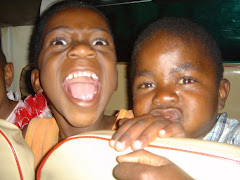
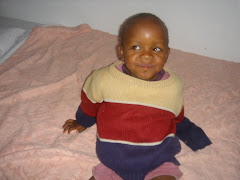
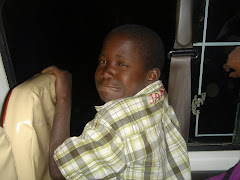
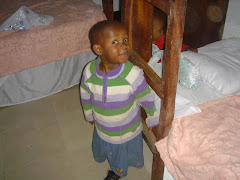
I guess I can only hope that once settled into the new house, and once used to their new routine, the staff will be happy and everyone will find peace. Thinking of the kids playing there and having real showers there really does salvage my desire to come back in December and see them. I may have moved them in, but I didn’t get to see them live it. This trip was hardly about the kids at all as I was busy spending 99% of my time working on the house. It would be nice to be there and witness the changes, hopefully for the better, in their lives since the move. Until then, I think I will continue to feel a lot of confusion and exhaustion whenever I think of this week.
I have to go prepare for my taxi; it’s almost time to go. I think I’ll post this entire tirade in
At lease the kids will miss me. And I already miss them.
Subscribe to:
Comments (Atom)